
Professional Wired CCTV vs Consumer Battery Camera Systems
Security cameras are now widely available, with many consumer battery powered systems marketed as quick and simple surveillance solutions. However, when it comes to protecting commercial, industrial, and high security environments, professionally installed wired CCTV systems provide a far higher level of reliability, performance, and long-term security.
5/8/20243 min read
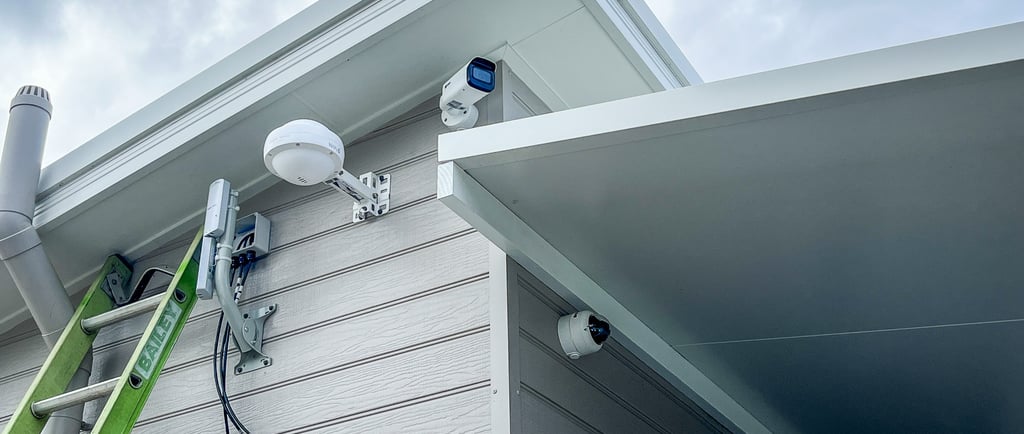
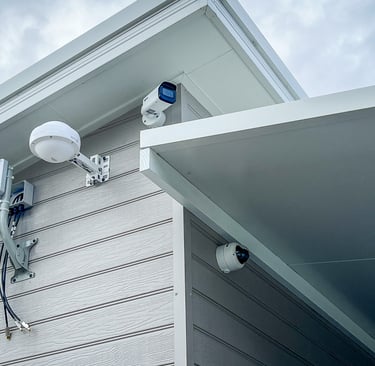
Security cameras have become increasingly accessible, with many consumer battery powered systems marketed as simple, quick solutions for home or small business surveillance. While these systems can provide basic monitoring, they are fundamentally different from professionally installed wired CCTV systems designed for commercial, industrial, and high security environments. Understanding these differences is important when choosing a system intended to protect people, property, and business operations.
Reliability and Continuous Operation
One of the most significant advantages of a wired CCTV system is reliability. Professional surveillance systems are powered through fixed electrical infrastructure or Power over Ethernet (PoE), allowing cameras to operate continuously without interruption.
Battery-powered cameras rely on internal batteries that require regular charging or replacement. As battery levels drop, cameras may enter low-power modes, reduce recording frequency, or stop operating altogether. In security applications where continuous monitoring is required, this creates gaps in coverage and increases the risk of missing critical events.
Wired systems are designed for permanent operation and can also be supported by backup power systems such as UPS units, allowing surveillance systems to remain operational during power disturbances.
Recording and Evidence Quality
Professional CCTV systems are designed to capture high-quality video suitable for incident review and evidence if required. Wired systems typically record continuously or when triggered by motion or analytics, storing footage on secure network video recorders or servers.
Consumer battery cameras often rely on short motion-triggered clips stored in the cloud. Because they are designed to conserve battery power, these cameras may miss the beginning of events, record short segments, or experience delays before recording begins. This can result in incomplete footage when reviewing incidents.
Wired systems provide far more consistent and reliable recording, ensuring that important events are captured in full.
Network Stability and Security
Professional CCTV systems operate on structured network infrastructure designed for reliability and security. Cameras connect through dedicated cabling and network equipment that supports stable communication and high bandwidth video transmission.
Battery-powered consumer cameras typically rely on Wi-Fi connections. Wireless networks can be affected by signal interference, distance, building materials, and network congestion. These factors can result in poor video quality, dropped connections, or cameras temporarily going offline.
For facilities requiring dependable monitoring, wired network infrastructure provides significantly greater stability and performance.
Scalability and System Integration
Professional CCTV systems are designed to support larger and more complex installations. Multiple cameras, recording systems, monitoring stations, and security platforms can be integrated to create a coordinated security system across an entire site.
Consumer battery cameras are usually limited in scale and integration capability. They are typically managed through mobile apps and designed for small residential deployments rather than multi-building commercial facilities.
Professional systems can also integrate with other security technologies such as intrusion detection systems, access control systems, and monitoring services. This allows alarms, access events, and security alerts to trigger video verification and improve overall security response.
Environmental Durability
Cameras installed in commercial and industrial environments must withstand a range of conditions including weather exposure, dust, vibration, temperature extremes, and physical impact.
Professional CCTV cameras are built with durable housings, weather protection ratings, and mounting systems designed for permanent installation in demanding environments.
Consumer battery cameras are generally designed for light-duty residential use and may not perform reliably in harsh conditions such as industrial sites, construction environments, or outdoor infrastructure.
Long-Term Value
While consumer battery cameras may appear inexpensive initially, their limitations often result in additional maintenance, unreliable coverage, and the need for frequent battery replacement or system upgrades.
Professional wired CCTV systems require proper installation but provide long-term reliability, consistent performance, and greater security capability. For businesses and facilities where security is important, investing in properly designed surveillance infrastructure delivers far greater value over time.
Conclusion
Battery-powered consumer cameras can provide basic monitoring for residential use, but they are not designed to deliver the reliability, recording quality, and integration capability required for professional security applications.
Wired CCTV systems remain the preferred solution for commercial, industrial, and high-security environments where continuous monitoring, dependable recording, and long-term system performance are essential.
By installing properly engineered surveillance infrastructure, organisations can ensure their security systems perform reliably when it matters most.
Contact
© Copyright - Bare Industries 2018 | Website Design by Bare Industries
ML: 000 108 029
EC: 402886C